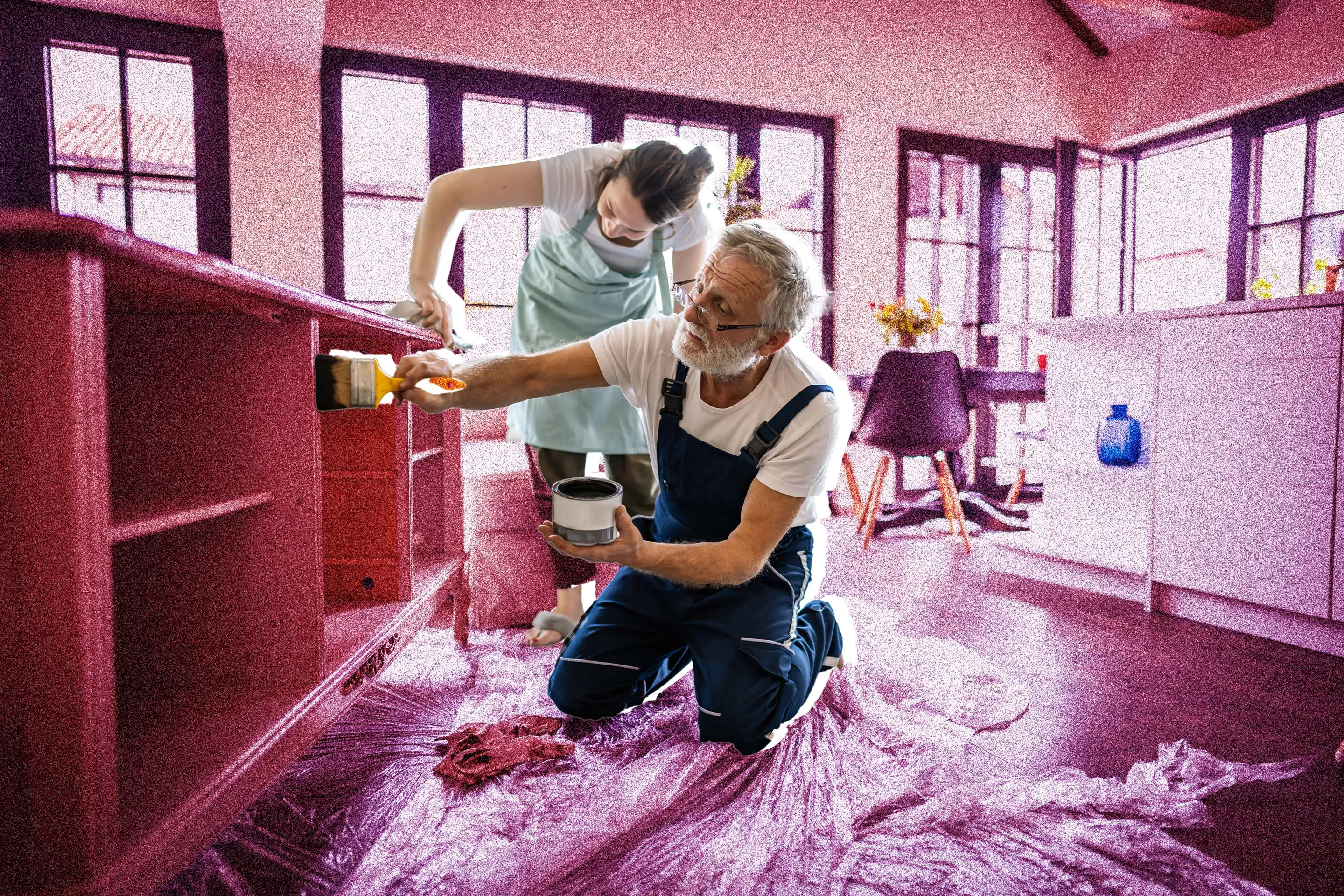
Many retirees plan to stay in their current homes as they age, but most houses lack the features needed for safe, comfortable aging. Strategic renovations before retirement can prevent costly emergency repairs later and make daily life easier.
The kitchen deserves top priority. Install lever-style handles on cabinets and faucets instead of knobs, which require gripping strength. Lower cabinets to waist height to reduce bending. Consider a single-level layout that minimizes movement between different areas.
Bathrooms need the most attention for safety. Install grab bars near toilets and showers, use non-slip flooring, and ensure adequate lighting around mirrors. A walk-in shower without a threshold prevents tripping hazards. Widening doorways to 36 inches accommodates walkers or wheelchairs if needed later.
Entryways and hallways require ramps or minimal steps at main doors. Remove clutter that creates tripping hazards. Ensure hallways are at least 36 inches wide for mobility device passage. Install handrails on both sides of staircases.
Flooring matters across the entire home. Replace slippery tile or polished hardwood with textured vinyl, wood-look alternatives, or low-pile carpet. Secure area rugs with non-slip pads or remove them entirely. Consistent flooring height throughout eliminates transition hazards.
Lighting upgrades prevent falls from poor visibility. Install motion-activated lights in hallways and bathrooms. Use dimmer switches to avoid sudden brightness changes. Ensure outdoor lighting illuminates walkways and entry areas.
These renovations cost money upfront, but they're cheaper than emergency room visits, ongoing care, or selling a beloved home. Many improvements qualify for home improvement tax deductions or credits. Medicare doesn't cover modifications, but some health savings accounts allow withdrawals for equipment like grab bars.