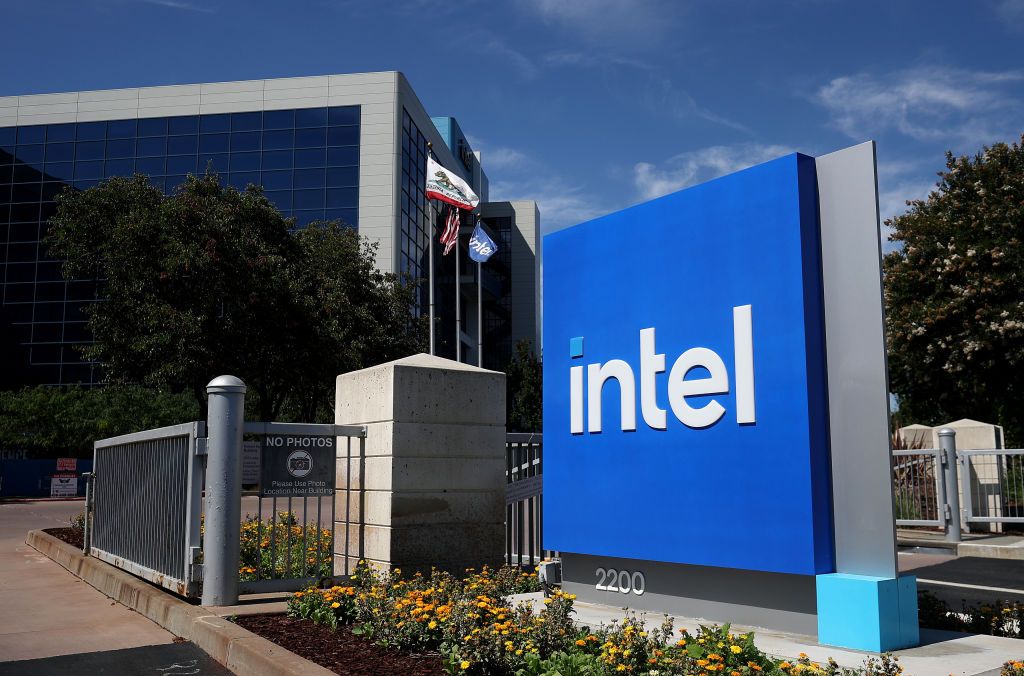
Intel shares surged Tuesday after reports suggested the chipmaker could supply components to Apple. The gains helped push the Nasdaq and S&P 500 to fresh record highs.
Intel's rise reflects investor optimism about the company's foundry business and potential partnerships with major tech firms. Apple has historically relied on Taiwan Semiconductor Manufacturing Company (TSMC) for chip production. A shift toward Intel would represent a major contract win and validate the company's push into contract manufacturing for other companies.
The broader market benefited from Intel's momentum. The Nasdaq closed at an all-time high, driven largely by technology stocks. The S&P 500 also reached new highs, signaling broad-based strength across the market. Intel's gains contributed meaningfully to the tech sector's performance.
For individual investors, this illustrates how specific company news can ripple through major indices. If you hold broad index funds tracking the S&P 500 or Nasdaq, you own a slice of Intel whether you realize it or not. Intel represents about 1 percent of the Nasdaq-100 and a smaller portion of the S&P 500, so individual holdings matter less than sector trends.
The Intel report raises questions about semiconductor supply chains that matter to long-term investors. Diversification away from TSMC could reduce geopolitical risk in the tech industry. It could also boost Intel's valuation if the company lands a major new customer.
For savers and conservative investors, these market highs underscore the importance of rebalancing. When indices hit records, your portfolio likely carries more stock exposure than intended. Review your asset allocation and trim stocks if needed to match your target risk level.
THE BOTTOM LINE: Intel's potential Apple deal boosted tech stocks and broad market indices to records, but individual savers should focus on whether their portfolio balance still matches their goals.