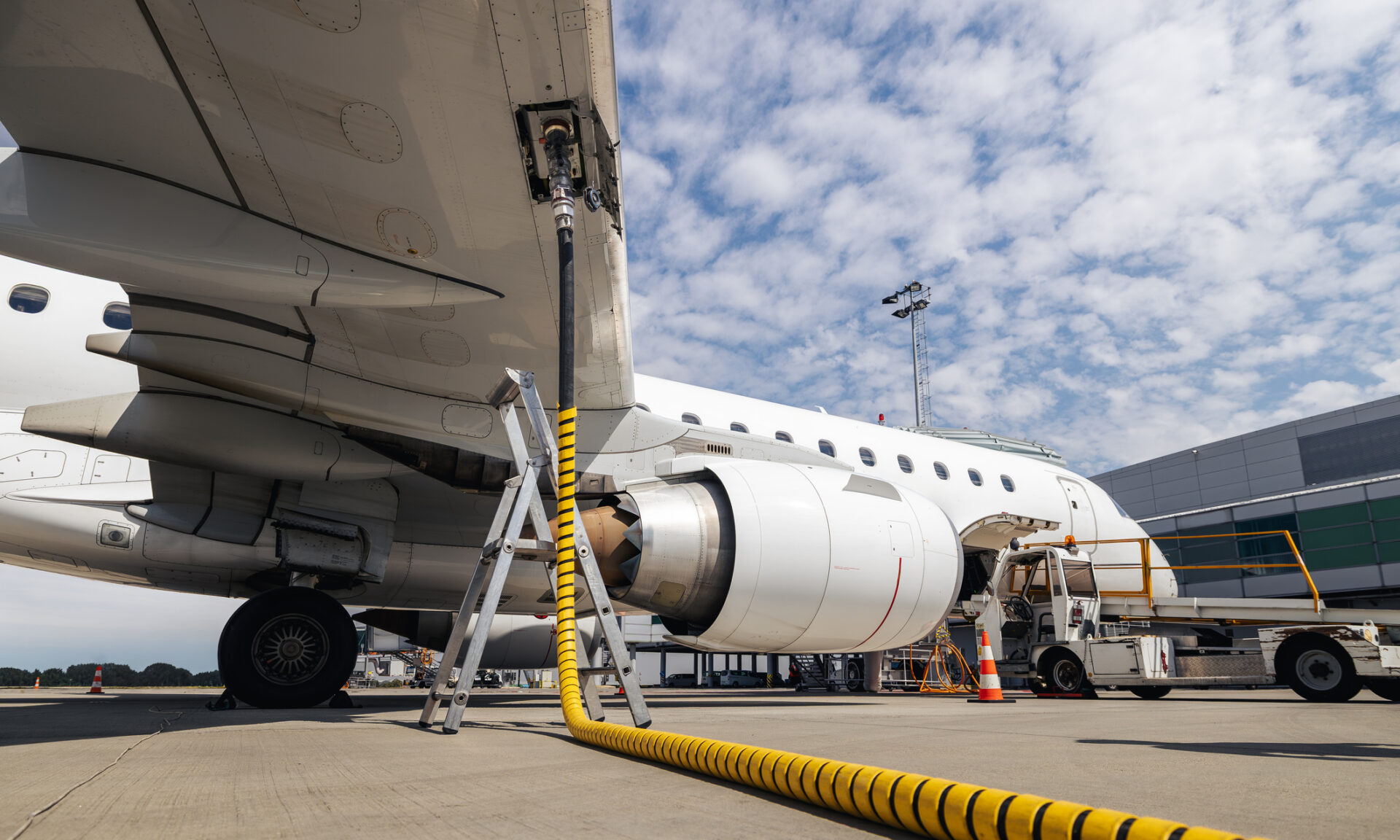
# How Rising Fuel Costs Are Reshaping Air Travel
Airlines face sharp pressure from climbing fuel prices, and passengers absorb the cost through higher ticket prices, expanded fees, and reduced flight schedules. Jet fuel prices have climbed significantly, forcing carriers to adjust pricing strategies across the board.
Airfare itself costs more. Base ticket prices have risen as airlines pass fuel surcharges directly to customers. Beyond the ticket, baggage fees, seat selection charges, and boarding priority costs have all increased. Some carriers now charge extra for carry-on bags on budget routes, a practice once rare across the industry.
Flight availability has contracted too. Airlines have cut less-profitable routes and reduced frequency on others. This shrinks your options and makes booking harder during peak travel seasons. Routes with lower demand face cuts first, affecting smaller cities and regional airports most severely.
Savvy travelers can fight back. Book flights well in advance—at least 6 weeks out—when fuel costs factor into pricing but before peak travel demand inflates fares further. Set up price alerts on Google Flights or Hopper to catch drops. Flying midweek, early morning, or during shoulder seasons (spring and fall) typically costs less than peak times.
Bundle your tickets with hotels or car rentals. Some packages absorb fuel surcharges better than individual purchases. Consider flying into larger hub airports rather than regional ones, where competition keeps fares lower. Use airline miles strategically; award redemptions often lock in prices before fuel spikes hit cash fares.
Check airline loyalty programs. Status tiers grant free baggage and seat selection, offsetting some fee increases. Budget carriers like Southwest and Spirit may now cost closer to full-service airlines once you add fees, so compare total trip cost, not just base fare.
Travel flexibility pays. If your dates can shift by a few days, you'll find cheaper flights. Same applies