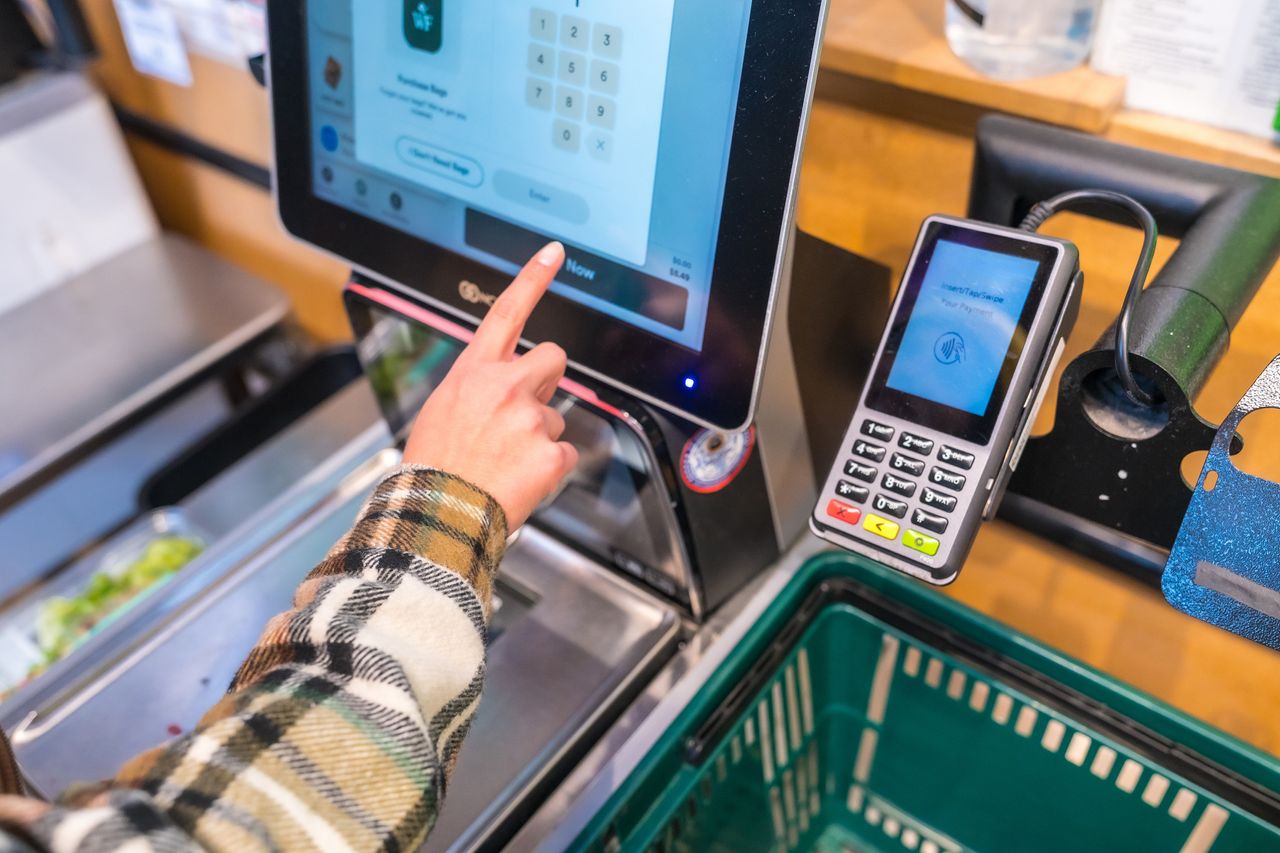
Ohio is cracking down on self-checkout operations with new rules that limit items customers can purchase and require stronger staff presence at registers. These restrictions aim to address theft and reduce friction in stores.
The state's approach is gaining attention nationwide. Other states are now considering similar regulations as retailers grapple with losses at unmanned checkout stations. The rules will reshape how major chains operate their stores.
Item caps force customers to use traditional checkout lanes for larger purchases. Staffing requirements ensure employees monitor self-checkout areas more closely. These changes affect both consumer convenience and store operations.
Retailers have complained about losses tied to self-checkout theft, often called "shrinkage." Ohio's regulations represent a legislative response to pressure from businesses and communities frustrated by rising in-store theft. The state essentially decided that oversight beats convenience in this case.
Store chains will need to invest in more employees and redesign checkout layouts to comply. Shoppers may experience longer waits if they exceed item limits. The rules take effect gradually, giving retailers time to adapt.
Multiple states are watching Ohio's experience closely. If the regulations prove effective at reducing theft and maintain customer satisfaction, expect copycat legislation across the country. This could become a national trend reshaping retail checkout experiences.