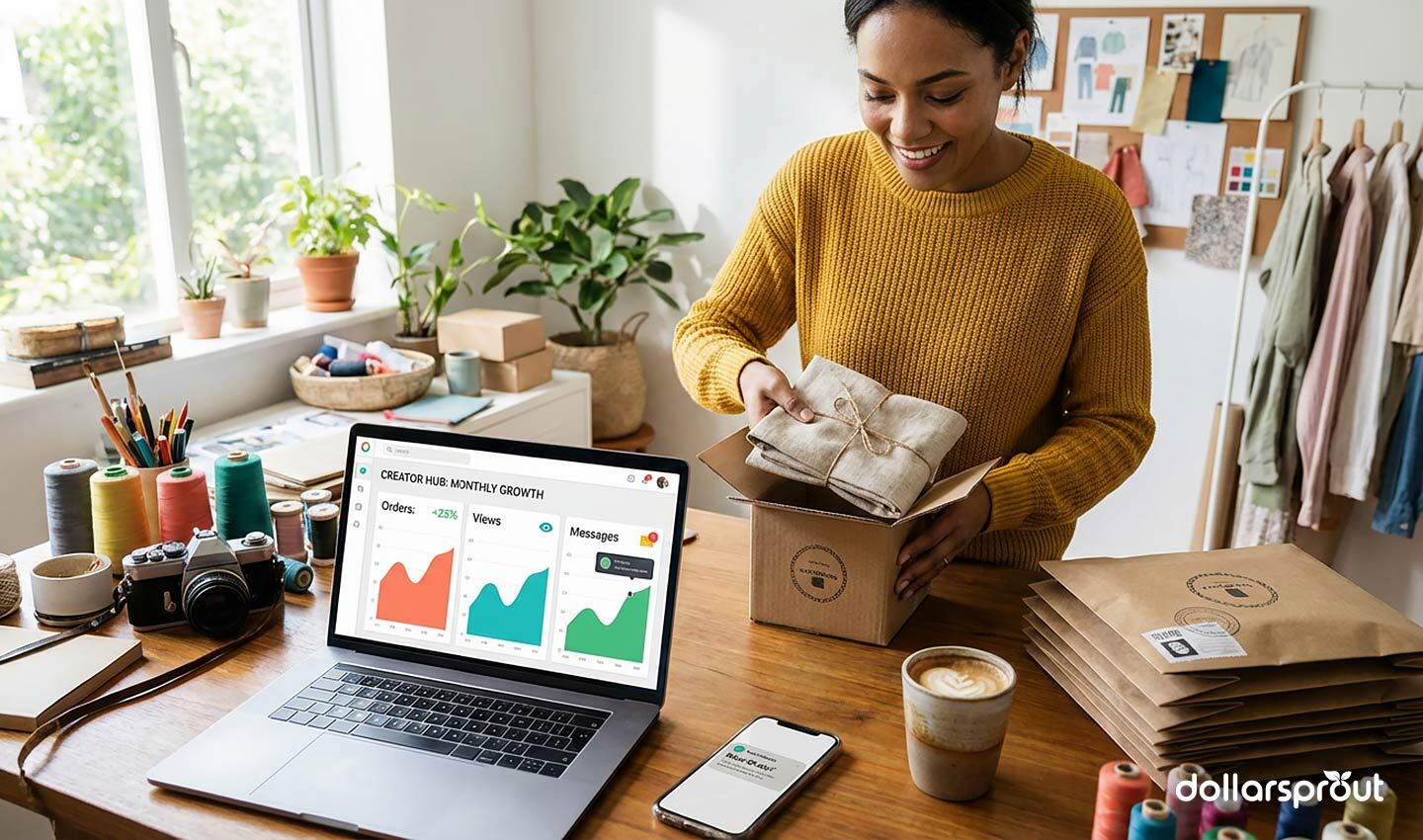
Side hustles have become essential income for millions of Americans struggling with rising costs. Platforms like Fiverr, Uber, and Etsy enable workers to earn extra money through gig work, freelancing, and selling goods. However, the real winners in this economy aren't always the workers themselves.
These platforms take substantial cuts from each transaction. Uber drivers keep only a portion of fares after the company's commission. Fiverr freelancers face competition that drives rates down. Etsy sellers pay listing fees, transaction fees, and payment processing costs that eat into profits.
Workers also shoulder risks that traditional employees avoid. They receive no health insurance, paid leave, or retirement benefits. They must cover their own taxes and handle irregular income streams. Equipment costs, supplies, and software subscriptions come straight from earnings.
The platforms, meanwhile, collect data on millions of users, build valuable networks, and scale operations with minimal liability. They profit whether workers succeed or fail.
The side hustle economy works best as a supplement to stable employment, not a replacement. Before committing time to gig platforms, calculate your actual hourly rate after all fees and expenses. Some side hustles deliver solid returns. Others leave you working harder for less money while platforms pocket the gains.