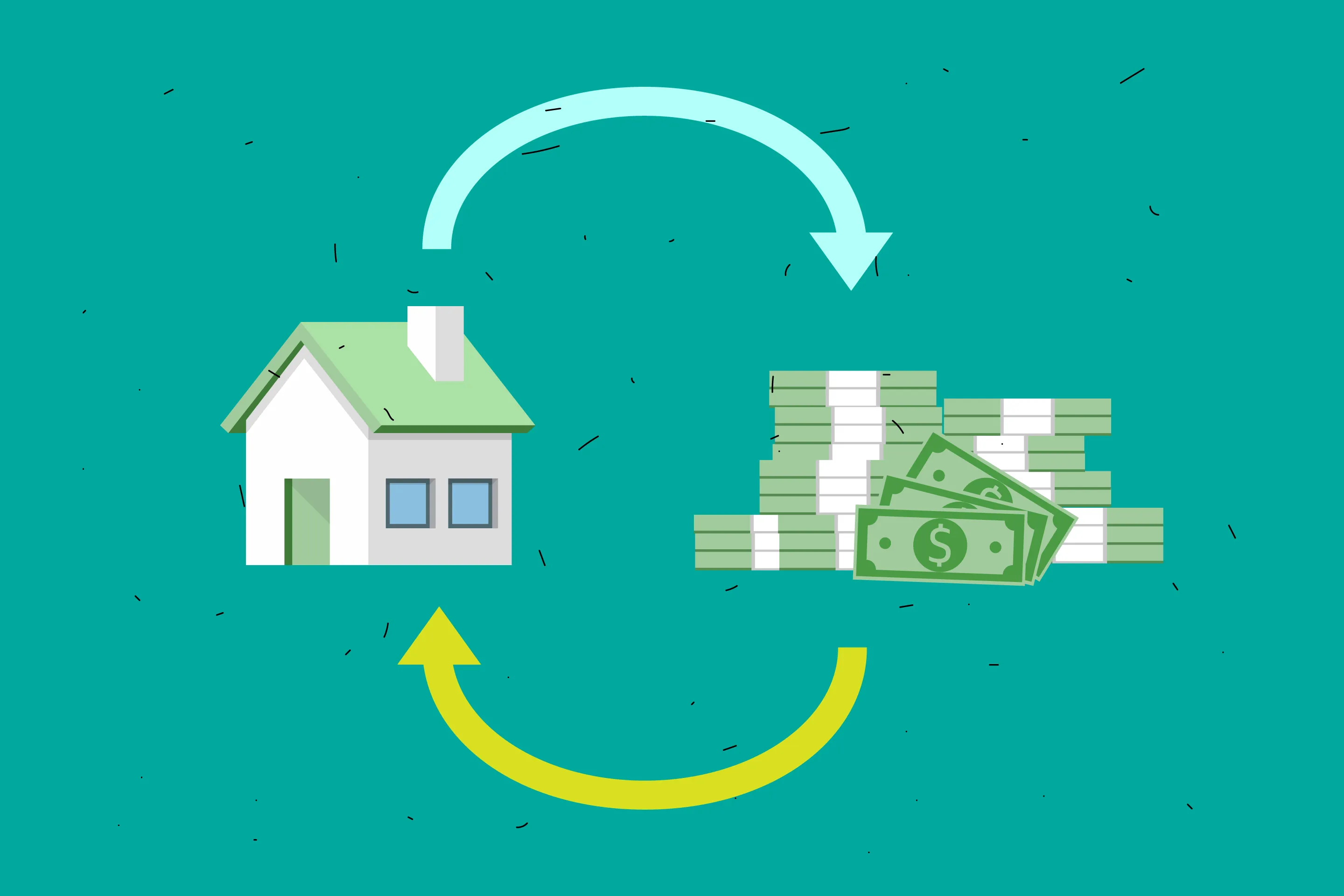
A reverse mortgage lets homeowners age 62 and older tap into their home equity without selling. Instead of making monthly payments to a lender, the lender pays the homeowner. The loan balance grows over time as interest accrues.
Borrowers can receive funds as a lump sum, monthly payments, or a line of credit. The loan becomes due when the homeowner sells the home, moves out permanently, or passes away. At that point, the borrower or their heirs repay the loan from the home's sale proceeds or other assets.
Reverse mortgages carry high upfront costs, including origination fees and mortgage insurance premiums. Interest rates typically run higher than traditional mortgages. The total debt grows quickly because borrowers aren't making payments to reduce it.
These loans work best for homeowners who plan to stay in their homes long-term and need immediate cash for retirement expenses or healthcare costs. They're terrible for people planning to move soon or leave their home to heirs debt-free.
Anyone considering a reverse mortgage should speak with a financial advisor. The Federal Housing Administration requires counseling before borrowing. Compare offers from multiple lenders, as rates and fees vary widely.