# Coupon Clipping Strategies That Actually Pay Off
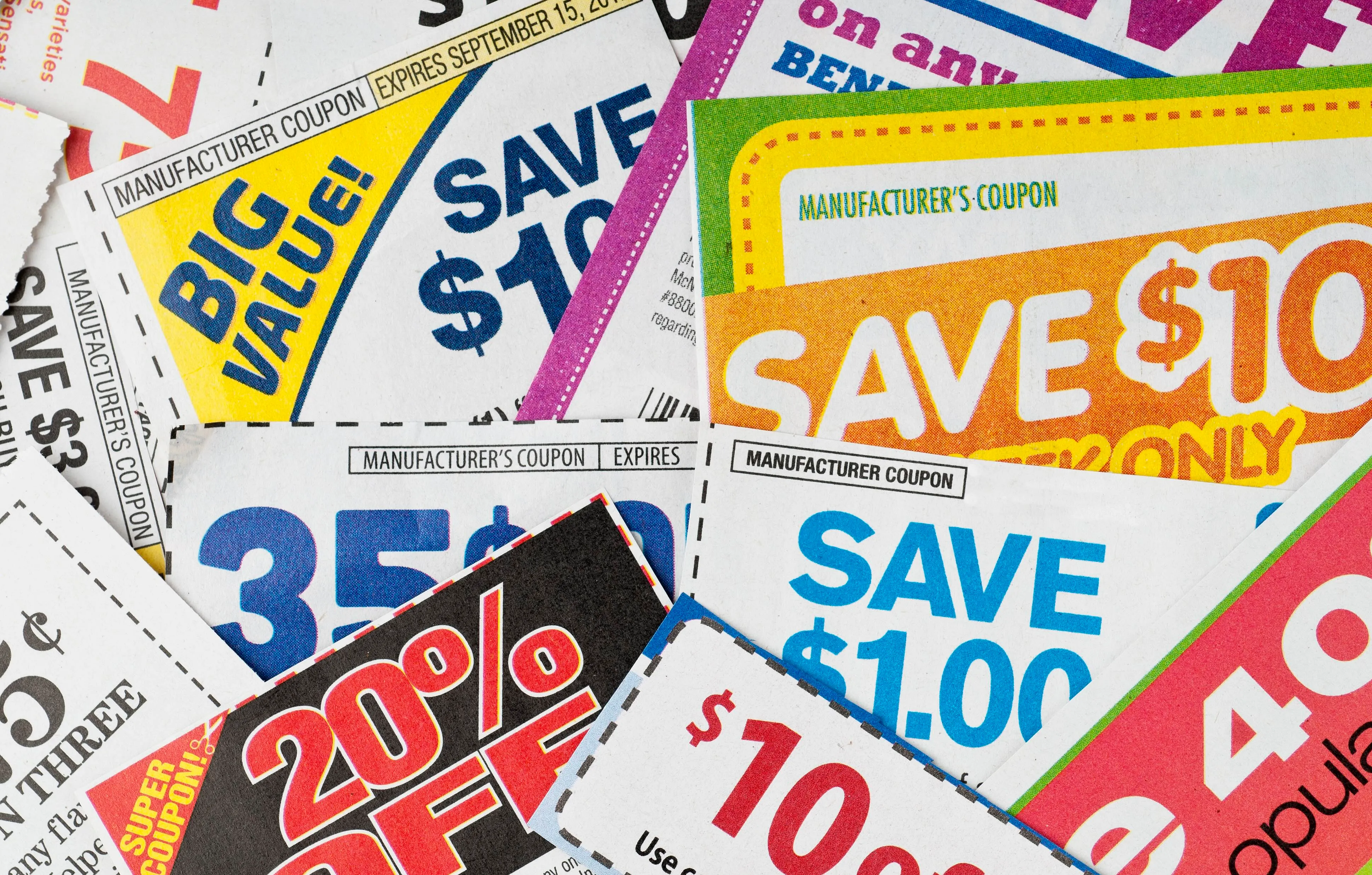
Coupon clipping remains one of the easiest ways to trim your grocery and household spending without changing your lifestyle. The average household can save $1,200 to $1,800 annually through strategic coupon use, though most people leave money on the table by not maximizing their approach.
The most overlooked benefit comes from stacking coupons. When you combine manufacturer coupons with store coupons and loyalty program discounts, savings multiply. A $1 manufacturer coupon plus a $1 store coupon on a discounted item can turn a $5 product into something you buy for $2 or $3. Retailers like Target, Kroger, and Walmart all allow this layering when done correctly.
Digital coupons offer hidden advantages that paper clipping never provided. Apps like Ibotta, Checkout 51, and retailer-specific platforms like Target Circle and Kroger's rewards program automatically apply discounts at checkout. You scan your receipt after purchase and receive cash back. No cutting, no forgetting your clipped coupons. These apps send personalized offers based on your purchase history.
Timing matters enormously. Pairing coupons with sale cycles creates maximum savings. Most products go on sale every 12 weeks. Match your coupon use to these cycles, and you double your discount. Buy-one-get-one (BOGO) deals combined with coupons deliver the steepest cuts.
The loyalty angle delivers unexpected perks beyond discounts. Kroger, CVS, and Walgreens loyalty programs track spending and trigger personalized coupons worth $5 to $25 on your next visit. These digital offers depend on what you've bought before. A shopper who regularly buys organic produce gets different coupons