Side hustlers often misunderstand when self-employment tax kicks in. The $600 threshold everyone talks about is a red herring.
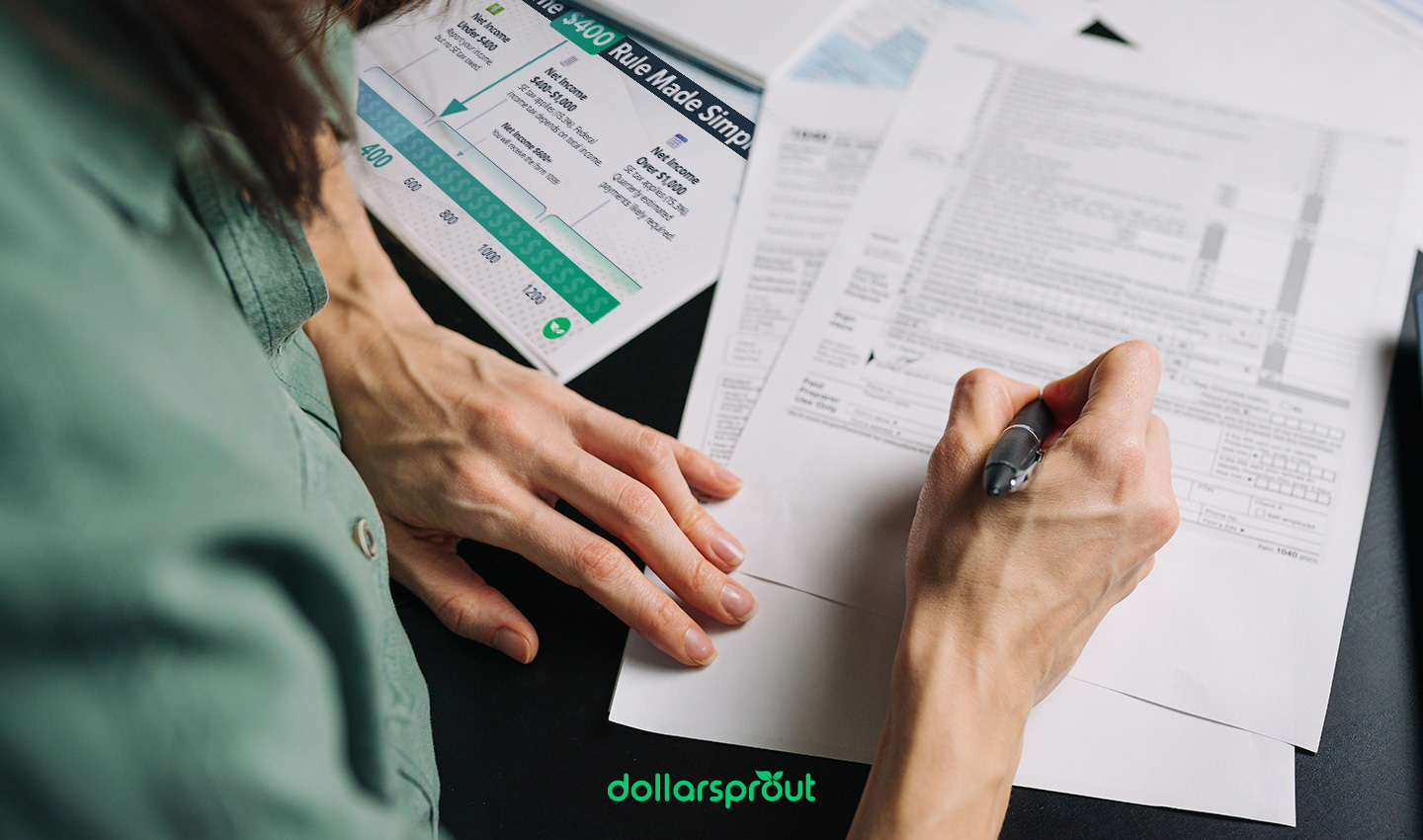
Here's what actually matters. You owe self-employment tax once you earn $400 or more from self-employment income in a year. This applies regardless of whether you receive a 1099 form. The IRS tracks this independently.
Self-employment tax covers Social Security and Medicare taxes. Regular employees split these costs with their employers. Self-employed people pay the full amount themselves, currently 15.3 percent on net earnings above $400. That breaks down to 12.4 percent for Social Security and 2.9 percent for Medicare.
The $600 threshold that many people cite only triggers when a payer or platform must issue you a 1099-NEC or 1099-MISC form. PayPal, Uber, DoorDash, Fiverr, and similar platforms use this threshold to decide whether to document your income. But the IRS doesn't wait for that form to come in. You must report all self-employment income on Schedule SE, attached to your Form 1040.
Practically speaking, if you made $450 freelancing or driving for a gig platform last year, you owe self-employment tax even if nobody sent you a 1099. Same goes for $500 in online sales or consulting fees. The obligation starts at $400 and stays there.
The consequences of missing this matter. Underreporting self-employment income can trigger an audit. The IRS cross-references 1099 forms with tax returns and flags mismatches. Even worse, failing to pay self-employment tax creates a gap in your Social Security record, which affects retirement benefits later.
Side hustlers should set aside roughly 15 percent of net earnings for self-employment