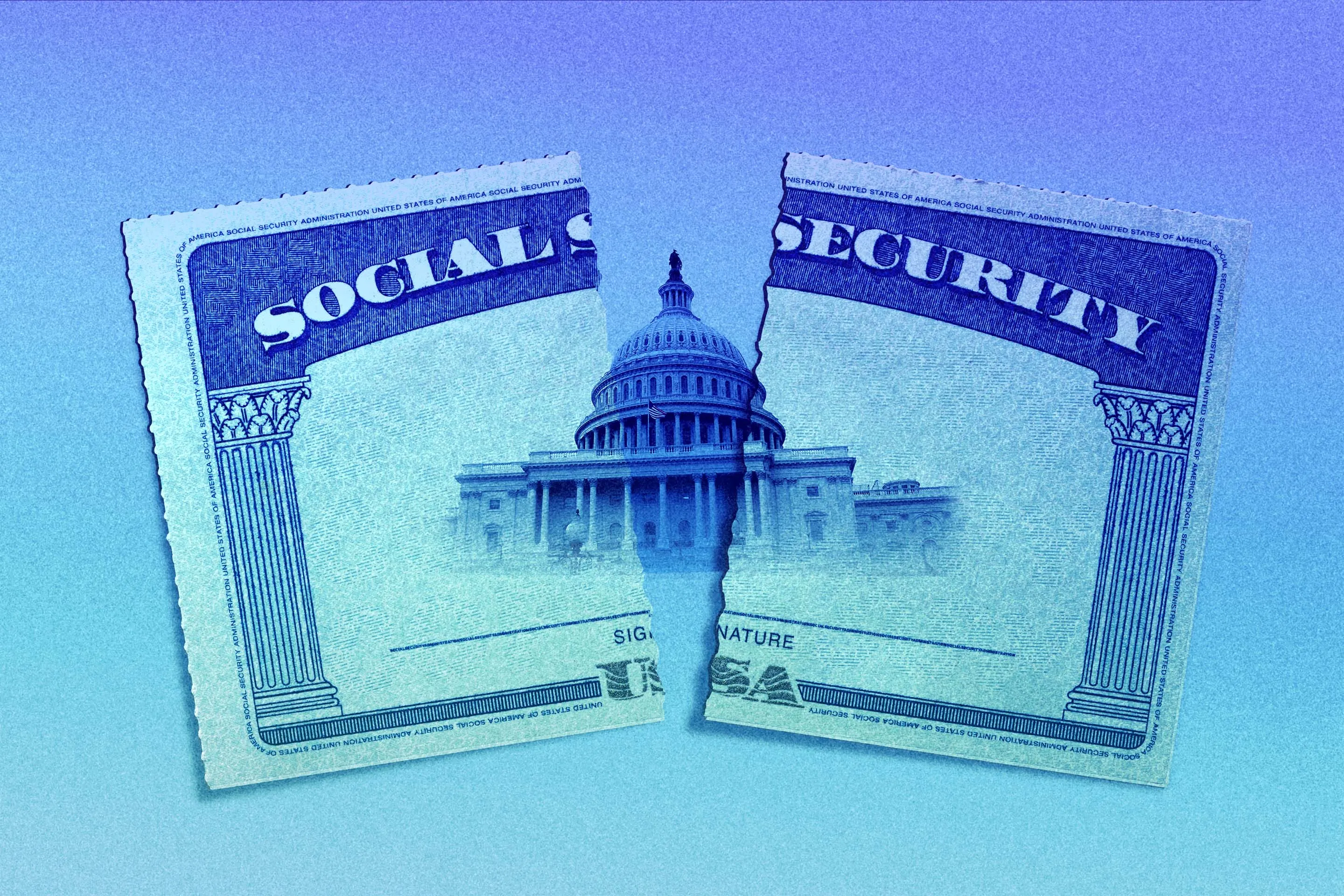
Social Security's trust fund reserves will deplete in 2033, eight years sooner than previously estimated. When that happens, the program will collect only enough payroll taxes to pay about 83 cents of every dollar owed to beneficiaries, forcing an automatic 17% benefit cut unless Congress acts.
For the average retiree receiving $1,933 monthly today, that translates to a reduction of roughly $329 per month, dropping payments to approximately $1,604. Spousal and survivor benefits face identical cuts. Workers who have not yet claimed face steeper losses if they wait until after 2033 to file.
The accelerated timeline reflects demographic shifts and economic changes. Americans are living longer, which extends benefit obligations. Inflation has pushed wage growth unevenly across income levels, affecting the tax base that funds the program. The COVID-19 pandemic temporarily disrupted work patterns, further straining reserves.
This does not mean Social Security disappears. The program will continue collecting the 12.4% payroll tax from workers and employers. Incoming revenue simply falls short of promised benefits once reserves run dry. The automatic reduction kicks in without legislative intervention.
Congress has known about this deadline for years. Solutions exist but require political will. Raising or eliminating the payroll tax cap (currently $168,600 of annual income in 2024) would increase revenue from high earners. Gradually raising the full retirement age beyond 67 would reduce lifetime benefit payouts. Means-testing benefits for wealthy retirees offers another avenue. A combination approach could solve the shortfall without drastic cuts to average workers.
The timeline pressure builds for workers still decades from retirement. Someone aged 45 today will face either reduced benefits or reform-driven changes by retirement age. Those already collecting benefits remain largely protected, though any legislative fix enacted after 2033 might affect them.