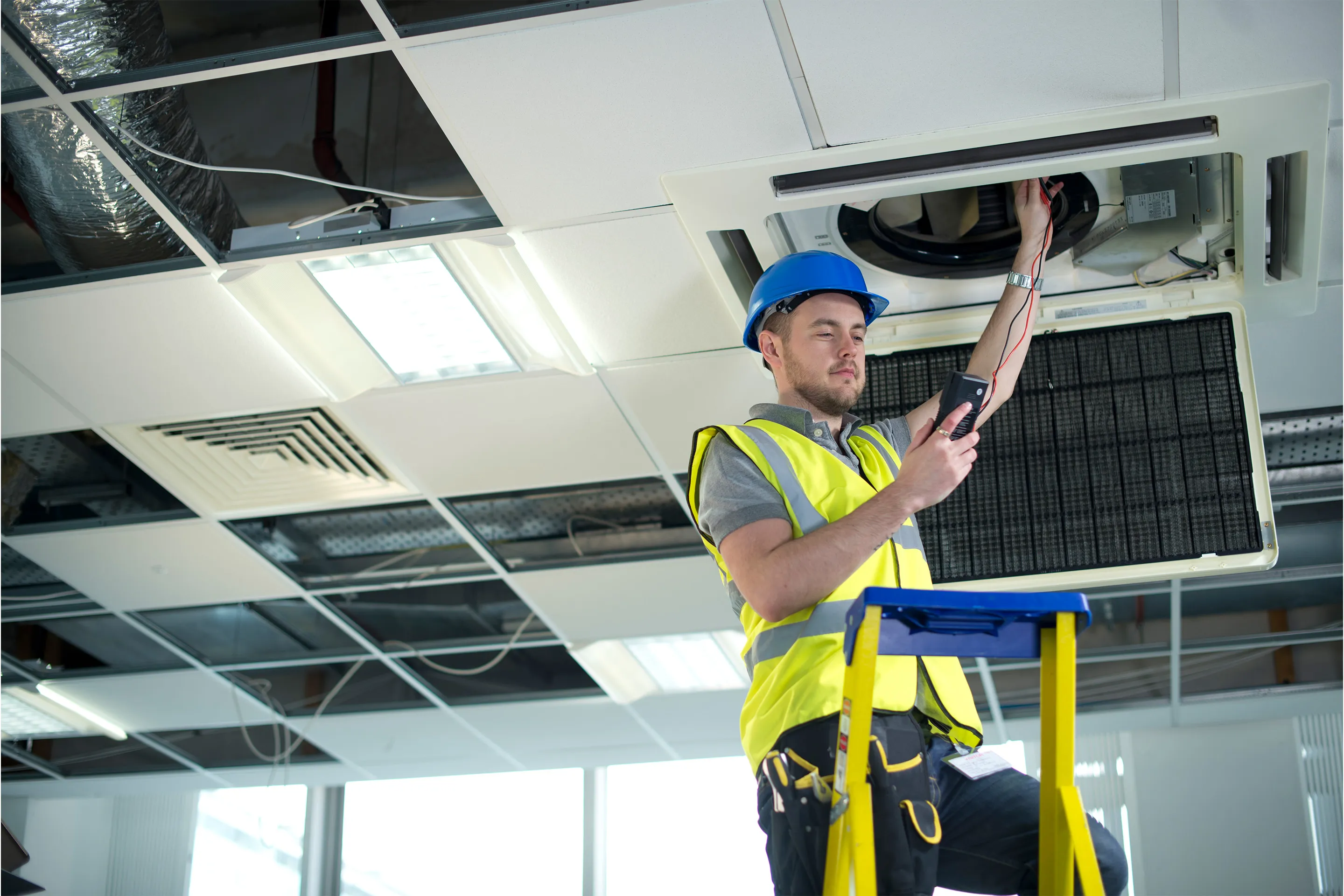
A broken HVAC system forces homeowners into an uncomfortable position. Replacing one typically costs $5,000 to $15,000 depending on your home's size and system complexity. Most people cannot pull that amount from savings on short notice. Several financing options exist to bridge the gap.
Personal loans offer fixed rates and predictable monthly payments. Banks, credit unions, and online lenders compete for this business. Rates typically range from 6% to 36% based on credit score. A $10,000 personal loan at 10% over five years costs roughly $212 monthly. The advantage: fast approval and no collateral required. The drawback: higher rates than secured loans if your credit is weak.
Home equity loans and HELOCs let you borrow against your home's value. Home equity loans work like second mortgages with fixed rates, often 2% to 4% lower than personal loans. HELOCs function like credit cards, charging interest only on what you draw. Both require equity in your home and involve longer approval timelines. However, interest payments may be tax-deductible.
HVAC-specific financing plans come directly from contractors or through third-party lenders they partner with. Companies like Synchrony and GreenSky offer promotional periods, sometimes 0% APR for 12 to 24 months if you pay within that window. Read the terms carefully. Missing the deadline triggers retroactive interest charges on the full original balance. These plans work best if you can pay aggressively within the promotional window.
Credit cards make sense only for smaller upgrades under $2,000 if you snag a 0% promotional rate card. Otherwise, standard credit card rates exceed 20% and compound daily.
Government programs and utility rebates offset costs directly. Some states offer energy-efficiency rebates for upgrading to