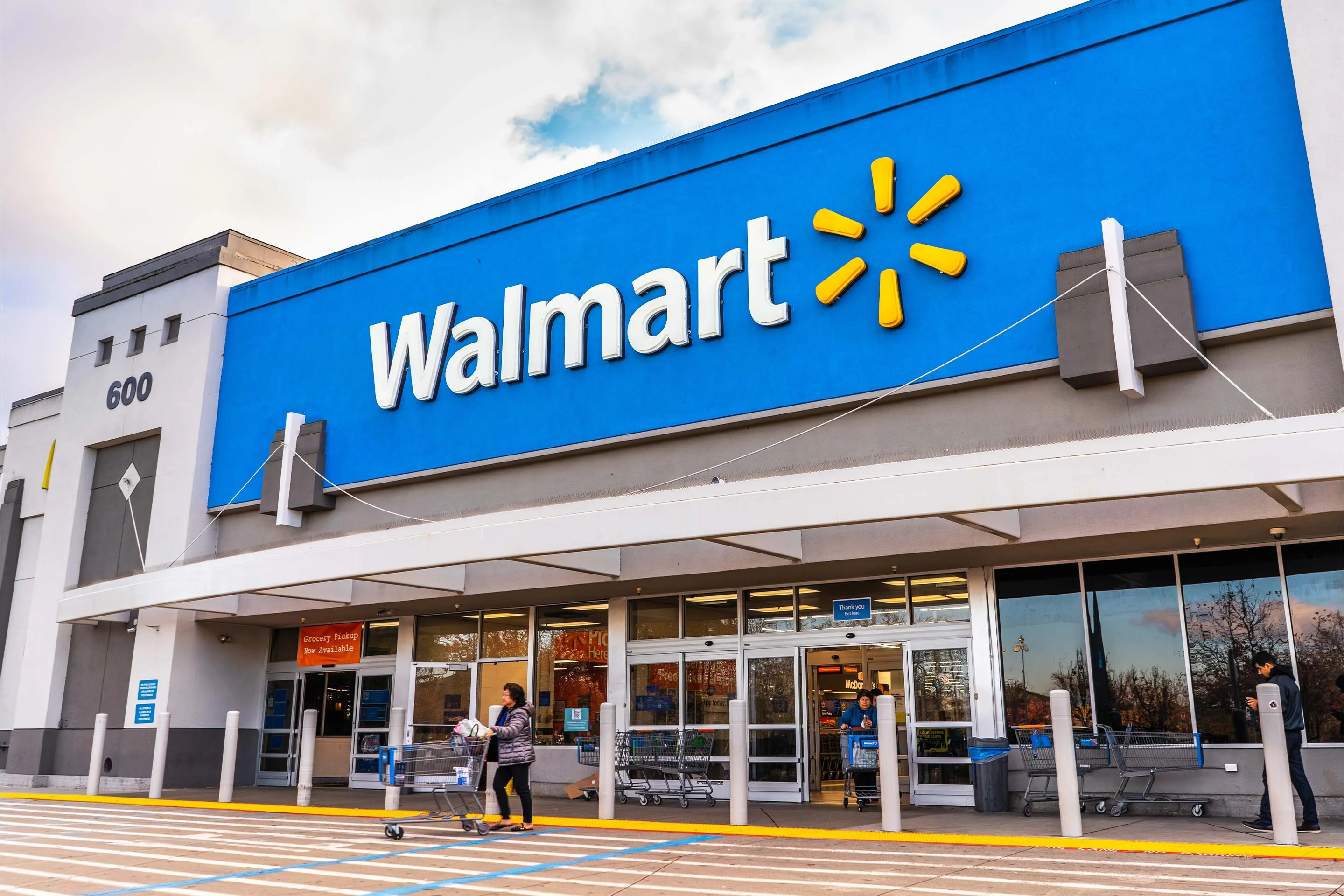
Walmart still doesn't accept tap-to-pay technology at most of its stores, creating friction for customers carrying only cards and phones instead of cash. The retailer continues requiring traditional chip or PIN payment methods, forcing shoppers to insert cards into readers or enter passwords at checkout.
This policy diverges sharply from competitors. Target, Best Buy, Costco, and Amazon have all embraced contactless payments. Major payment networks including Visa, Mastercard, and American Express support tap functionality across their card and digital wallet offerings.
The gap frustrates modern consumers. Shoppers who use Apple Pay, Google Pay, Samsung Pay, or contactless credit cards face delays at Walmart registers. Some abandon purchases rather than wait or fumble for alternative payment methods. The retailer's outdated infrastructure compounds the problem, as many Walmart registers lack the necessary NFC (near-field communication) technology to read contactless signals.
Walmart's resistance stems partly from cost. Upgrading payment terminals across thousands of U.S. stores requires significant capital investment. The company also prioritizes its proprietary systems and has historically negotiated directly with payment processors rather than adopting universal standards quickly.
For everyday shoppers, this means carrying multiple forms of payment or switching retail destinations. Customers who prefer digital wallets find Walmart increasingly inconvenient compared to other grocery and general merchandise stores. The policy particularly affects younger shoppers accustomed to contactless payments and those seeking faster checkout experiences.
Industry analysts expect Walmart's position to shift. As consumer demand grows and competitor advantages become obvious, the retailer will likely face pressure to modernize. Until then, visiting Walmart with only a phone and contactless card creates unnecessary complications at checkout.