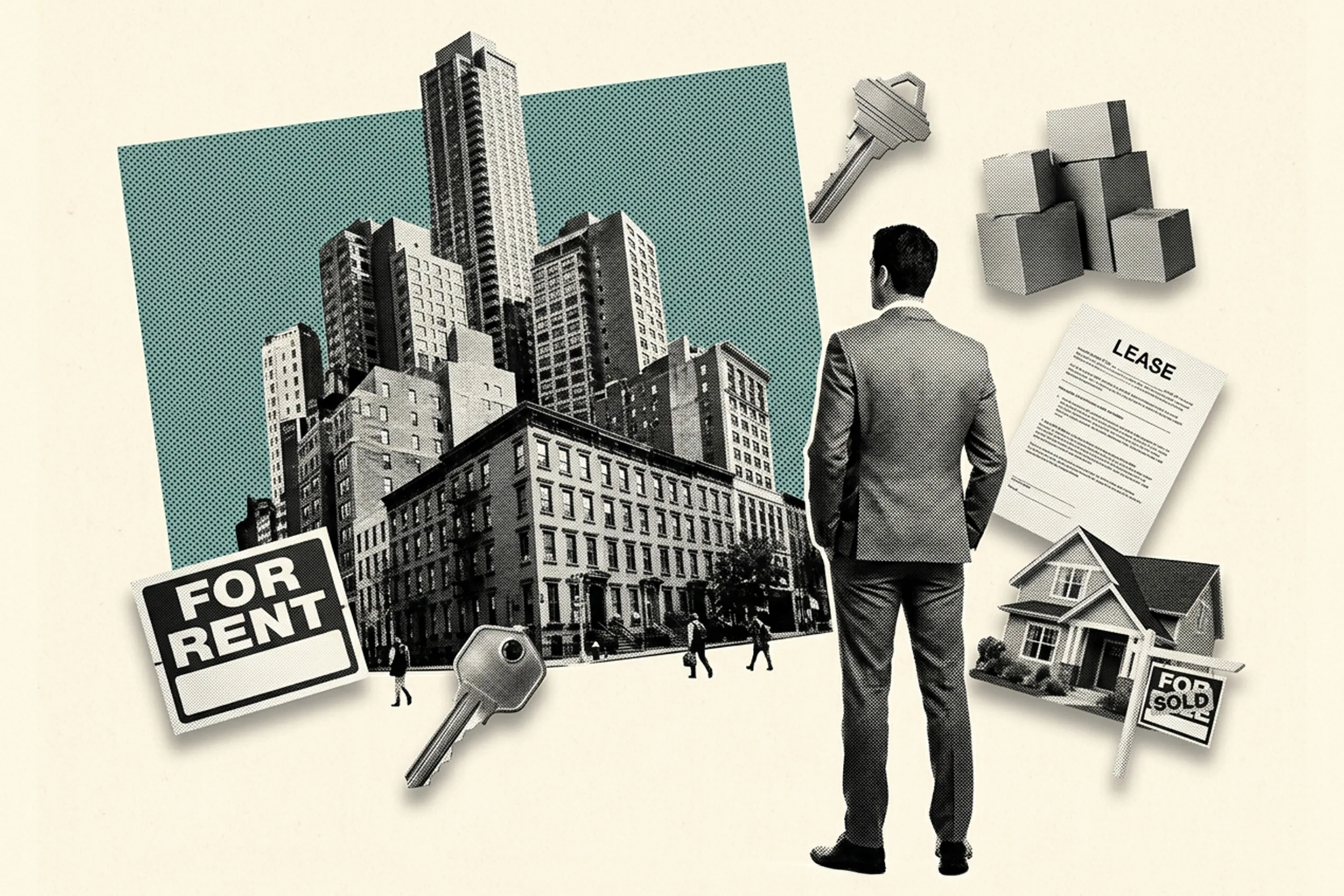
# When Renting Beats Buying: The Economics of 8 U.S. Cities
The conventional wisdom that homeownership always beats renting falls apart in certain markets. In eight specific U.S. cities, the numbers favor renting as the smarter financial choice.
The calculation depends on several hard numbers. Compare the total monthly cost of ownership, including mortgage, property taxes, insurance, and maintenance, against rent plus utilities. Factor in the time you plan to stay. If you'll move within five to seven years, transaction costs (realtor fees, closing costs) can eat any equity gains. In expensive coastal markets where home prices have soared far beyond rental rates, this math tilts sharply toward renting.
Consider what happens with your down payment. If you rent and invest that cash in a diversified portfolio earning 7-8% annually, you build wealth while avoiding the illiquidity of home equity. You also sidestep major repairs. A new roof, foundation issues, or HVAC replacement can cost $5,000 to $25,000. Renters face none of that financial risk.
The cities where renting wins share common traits. They typically have strong job markets that encourage mobility. San Francisco, New York, Boston, Los Angeles, and Miami all have home prices that dwarf rental income. In these markets, the price-to-rent ratio exceeds 20 to 1, meaning you'd need 20 years of rent to equal the purchase price. That spread doesn't exist in slower-growth metros where homes appreciate modestly but rents stay reasonable.
Your personal situation matters enormously. Renters sacrifice the tax deduction on mortgage interest and miss out on long-term price appreciation. But they gain flexibility to relocate for better jobs, avoid being underwater on a mortgage, and sleep soundly knowing a landlord handles expensive repairs.
The