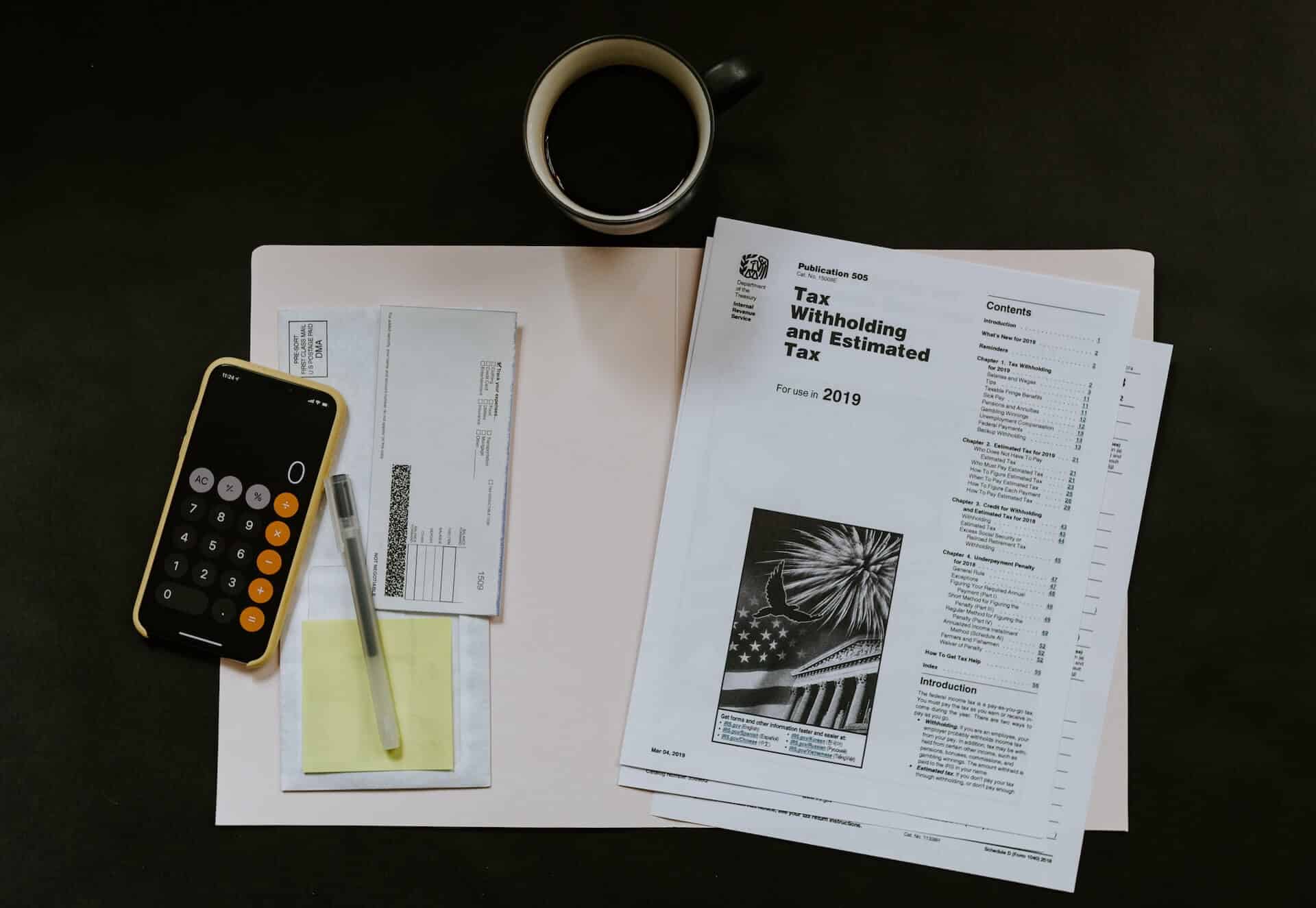
Taxpayers have three main options for filing their returns this year: doing it yourself with software, hiring a professional tax preparer, or using free filing services if you qualify.
DIY tax software remains the cheapest route for straightforward returns. Programs like TurboTax, H&R Block, and TaxAct charge between $60 and $120 for federal filing, depending on your return complexity. These platforms walk you through deductions and credits step-by-step, then e-file directly to the IRS. This approach works best if you have W-2 income, standard deductions, and no major life changes like home sales or business ownership.
Professional tax preparers offer personalized guidance but cost more. CPAs and enrolled agents typically charge $150 to $400 per return, with fees rising if you have self-employment income, investments, rental properties, or business entities. The advantage: preparers catch deductions you might miss and represent you if the IRS audits your return. This option makes sense for complex situations or if you simply want someone else handling the paperwork.
The IRS Free File program eliminates costs entirely for eligible taxpayers. Households earning under $79,000 qualify for free federal filing through participating tax software companies. IRS Volunteer Income Tax Assistance (VITA) also provides free preparation at community centers, libraries, and nonprofits nationwide. These services serve low- to moderate-income filers, elderly taxpayers, and non-English speakers.
Your choice depends on three factors: return complexity, comfort with technology, and household income. Single filers with wages only and no side income rarely need professional help. Freelancers, investors, or business owners benefit from expert eyes. Those earning under $79,000 should check IRS Free File first before paying anything.
Start by assessing what deductions apply to you.