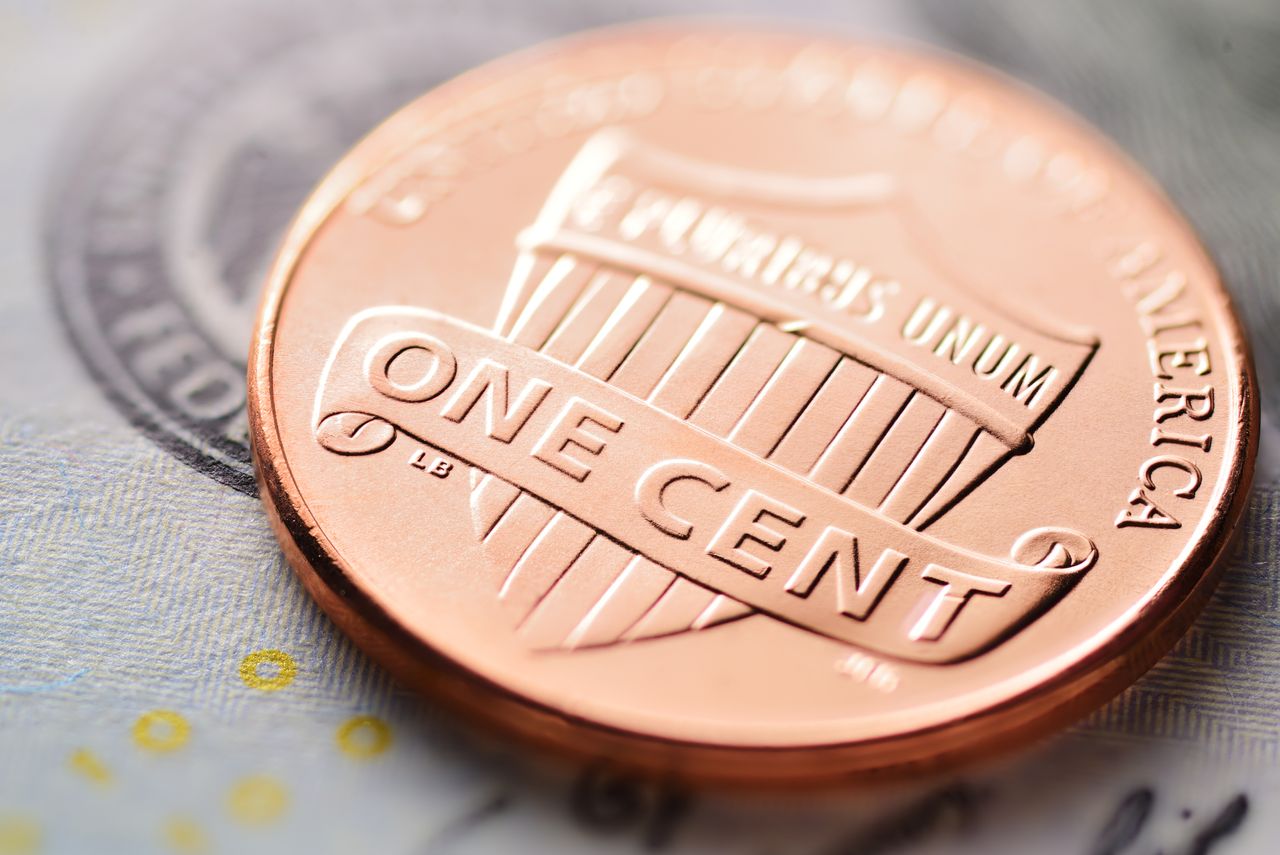
The U.S. Mint released "dual-date" pennies in 2025 despite halting regular penny circulation. These coins carry two different years stamped on them, making them distinct from standard pocket change in the eyes of tax authorities.
The IRS classifies dual-date pennies as collectible coins rather than currency. This distinction carries real tax consequences. When you sell collectible coins at a profit, the IRS taxes gains at your ordinary income tax rate, not the preferential long-term capital gains rate that applies to stocks and bonds held over one year. For high earners in the 37% federal tax bracket, this means significantly higher tax bills compared to traditional investments.
Dual-date pennies enter the market through specialty dealers and collector channels, not standard circulation. The Mint produced them in limited quantities, driving collector demand and speculation. Some buyers hope these coins appreciate in value, similar to rare numismatic pieces.
The practical impact on ordinary savers is minimal. Most people won't encounter dual-date pennies in everyday transactions. If you do acquire them through dealers and later sell them, document your purchase price carefully. The IRS requires you to report gains when you dispose of collectible coins.
Regular pennies removed from circulation in 2025 don't trigger tax complications. Those remain simple pocket change with face value. The dual-date versions, however, operate in a different category entirely.
For collectors considering these as an investment, understand the tax treatment upfront. A penny that costs 50 cents today might sell for $1.50 next year, creating a $1 gain taxable at ordinary rates rather than capital gains rates. Run the numbers before buying. The collector market for modern U.S. coins remains speculative, and dual-date pennies offer no guarantee of appreciation despite their limited mintage.