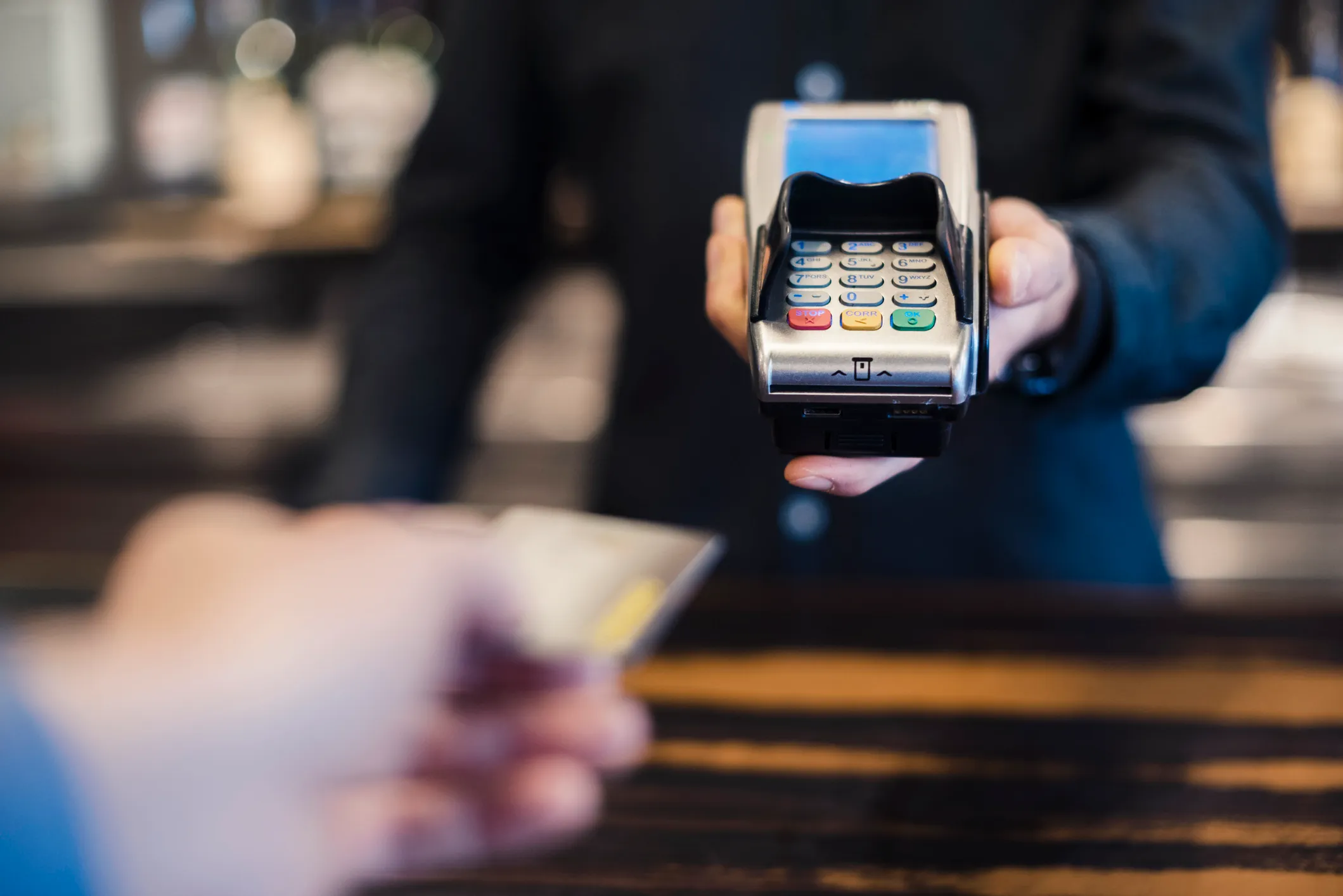
Debit cards feel safe because the money comes straight from your bank account, but that convenience masks real financial risks that credit cards don't share.
Debit cards offer minimal fraud protection compared to credit cards. If someone steals your debit card number and drains your account, federal law limits your liability to $50 only if you report the theft within two business days. Report it later, and you could lose up to $500. Miss the window entirely, and you're on the hook for the entire amount. Credit cards cap your liability at $50 regardless of when you report fraud.
The damage extends beyond immediate theft. A fraudulent debit transaction hits your checking account instantly, meaning your rent check might bounce or bills go unpaid while you dispute the charge. Credit card fraud takes time to investigate, but your actual money stays protected during the process.
Rewards programs tilt heavily toward credit cards. Most debit cards offer minimal cash back or points, typically 1 percent or less on purchases. Premium credit cards regularly deliver 2 to 5 percent cash back on groceries, gas, and dining. Over a year of regular spending, this difference amounts to hundreds of dollars in lost rewards.
Purchase protection also favors credit cards. Many offer extended warranties on electronics, price protection if items drop in cost within days of purchase, and return guarantees that extend beyond retailer policies. Debit cards rarely include these benefits.
Credit cards build your credit score when used responsibly. Debit transactions don't report to credit bureaus, so paying with plastic instead of a debit card actually strengthens your financial profile for future mortgages, auto loans, or refinancing. Debit cards don't help your score at all.
The solution isn't abandoning debit entirely. Use it for ATM withdrawals and emergency cash. For everyday purchases, restaurants, travel, and online shopping,